
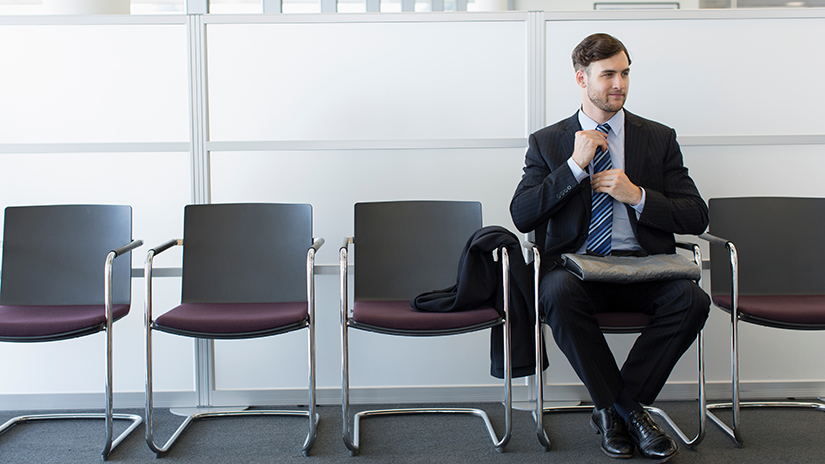
Look the Part, Land the Job: How to Dress for Your Next Interview
by Rebecca Sprigg
While waiting in the lobby of City Hall recently to obtain permits for a block party, I met a man who was about to interview for a job. We chatted briefly before he was called in. As he walked to the interview room, I noticed a dry-cleaning tag still attached to the hem of his jacket. I stood up, tapped him on the shoulder, and whispered, “Hold on just a moment.” I unfastened the tag and slipped it discreetly into his hand. He smiled gratefully and headed into his interview.
The moment was a good reminder of how much easier interviews feel when you’ve prepared in advance, especially when it comes to how you dress. Below are a few tips to help ensure you always walk in looking your best.
~
How to Dress for Your Next Public Sector Job Interview
Public sector interviews tend to be more traditional, conservative, and professional than many private-sector environments. Even in agencies with casual day-to-day cultures, interviewees are usually expected to present a polished, neutral look.
Aim for “Professional, Not Flashy”
- Business professional is safest: a suit (pants or skirt), blazer, and dress shirt or blouse.
- Stick to neutral or muted colors like navy, gray, black, or beige.
- Avoid loud prints, oversized accessories, or overly trendy outfits.
Dress Slightly More Formal Than the Job’s Daily Norm
If the workplace leans business casual, dress one step up. You don’t need a three-piece suit, but you do want to communicate respect for the process.
👔 Pro Tip: If you can’t afford new professional clothing, try the circular economy. Many thrift stores have “career racks” where you can find high-quality, like-new suits for a fraction of the cost. You’ll save money, support a local charity, and reduce waste.
Prioritize Fit and Comfort
You may be sitting, walking around the building, or shaking hands with a panel. Clothing that pulls, gaps, or rides up can distract both you and your interviewers.
Keep Accessories Minimal and Practical
- Simple jewelry
- A professional bag
- Closed-toed shoes
- Skip strong fragrances — many agencies are scent-free
Match Expectations for Public-Facing Roles
Law enforcement, public safety, executive, or constituent-facing roles tend to expect more formal attire. Analyst or administrative roles can lean toward a modern business-professional look without being overly traditional.
Appear Well-Groomed and Organized
- Wear neat hair and trimmed nails
- Bring a folder or portfolio for materials
- Avoid chewing gum or carrying bulky items
☐ Consider Agency Culture — But Don’t Under-Dress
City halls, special districts, and county offices vary widely. When in doubt, err on the professional side.
👔Pro Tip: If you’re still unsure about what to wear, you can do reconnaissance on the agency’s website or their social media channels. You can also watch or attend council or commission meetings to see what agency employees wear when addressing elected officials.
☐ Virtual Interview
Dress just as you would in person. A blazer or professional top boosts confidence, posture, and presence on camera.
~
Finally, make attention to your dress and grooming a regular habit—not a last-minute scramble. When looking interview-ready becomes routine, you walk into any panel with less stress and far more confidence. Instead of worrying about whether your jacket fits or your shoes are polished, your focus can stay where it belongs: on the questions, the conversation, and the opportunity in front of you.
# # #