
When Leadership Changes, Don’t Overlook
the Human Side of the Transition
November elections bring changes to local government. New mayors, city council members, and county supervisors may arrive with different priorities and expectations. Those changes can also affect appointed leadership, including city managers, county administrators, and department directors.
Whether a leadership change is the result of an election, retirement, resignation, or a governing board’s decision, one thing remains constant: the organization must find a way to move forward.
And that takes more than hiring the right person.
A Change in Leadership Affects Everyone
Leadership transitions can be complicated. Employees may feel loyal to a departing executive, welcome a change, or simply wonder what the future holds. An outgoing leader may feel disappointed about the circumstances of the departure, while the incoming executive is eager to establish a new direction.
Consider a city that has just hired a new city manager. The outgoing manager has served the community for many years, and employees have mixed feelings about the departure. The new manager arrives with a mandate to address longstanding challenges and introduce new priorities.
How the city handles those first few weeks can influence the tone of the new administration.
A thoughtful transition doesn’t require everyone to agree about the past. It does require professionalism, respect, and a willingness to put the organization’s interests first.
A Few Ways to Help Make the Transition Smoother
HR professionals, governing boards, and organizational leaders can take several steps to help:
- Acknowledge the outgoing leader. Recognize meaningful contributions and years of service, even when a change in leadership was necessary.
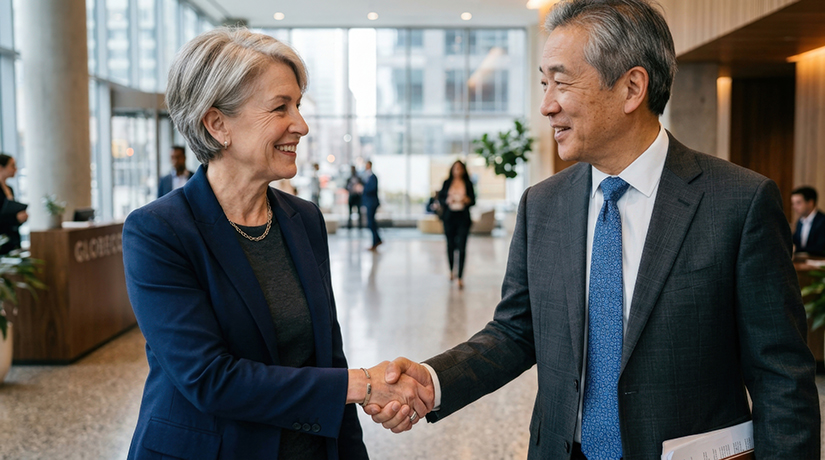
- Facilitate a professional introduction. When appropriate, arrange an opportunity for the outgoing and incoming executives to meet. A cordial conversation or informal lunch can help establish a positive tone.
- Communicate with employees. Provide appropriate information about the transition and what employees can expect. Uncertainty can create unnecessary anxiety.
- Support the incoming leader. Help the new executive become familiar with the organization, its people, ongoing initiatives, and challenges.
- Allow room for a new direction. The incoming leader needs the opportunity to assess the organization, establish relationships, and develop priorities without being expected to replicate the previous administration.
The Bigger Picture: Organizational Stability and Retention
The 2025 California City Managers Survey, conducted by Claremont McKenna College’s Rose Institute, found that California city managers had served in their current positions an average of approximately 4.4 years. Leadership transitions are a recurring reality in local government.
How those transitions are handled can affect more than the executives involved. Employees are watching. They want to know whether the organization is stable, whether their contributions will be valued, and whether they can feel confident about its future.
A difficult departure doesn’t have to become a difficult beginning.
Ultimately, recruiting a new leader is only part of the process. Helping that person establish a productive working environment, while maintaining the confidence and engagement of existing employees, is equally important.
A successful leadership transition isn’t simply about welcoming someone new. It’s about helping the entire organization move forward.
___
Anticipating changes in leadership due to resignations and retirements? Nationwide (myNPSJ.com) would be happy to help you find your organization’s next great leaders. Email rebecca.sprigg@mynpsj.com for job ad rates and information.