Check the Gauge Before Your Tank Runs Dry
by Rebecca Sprigg
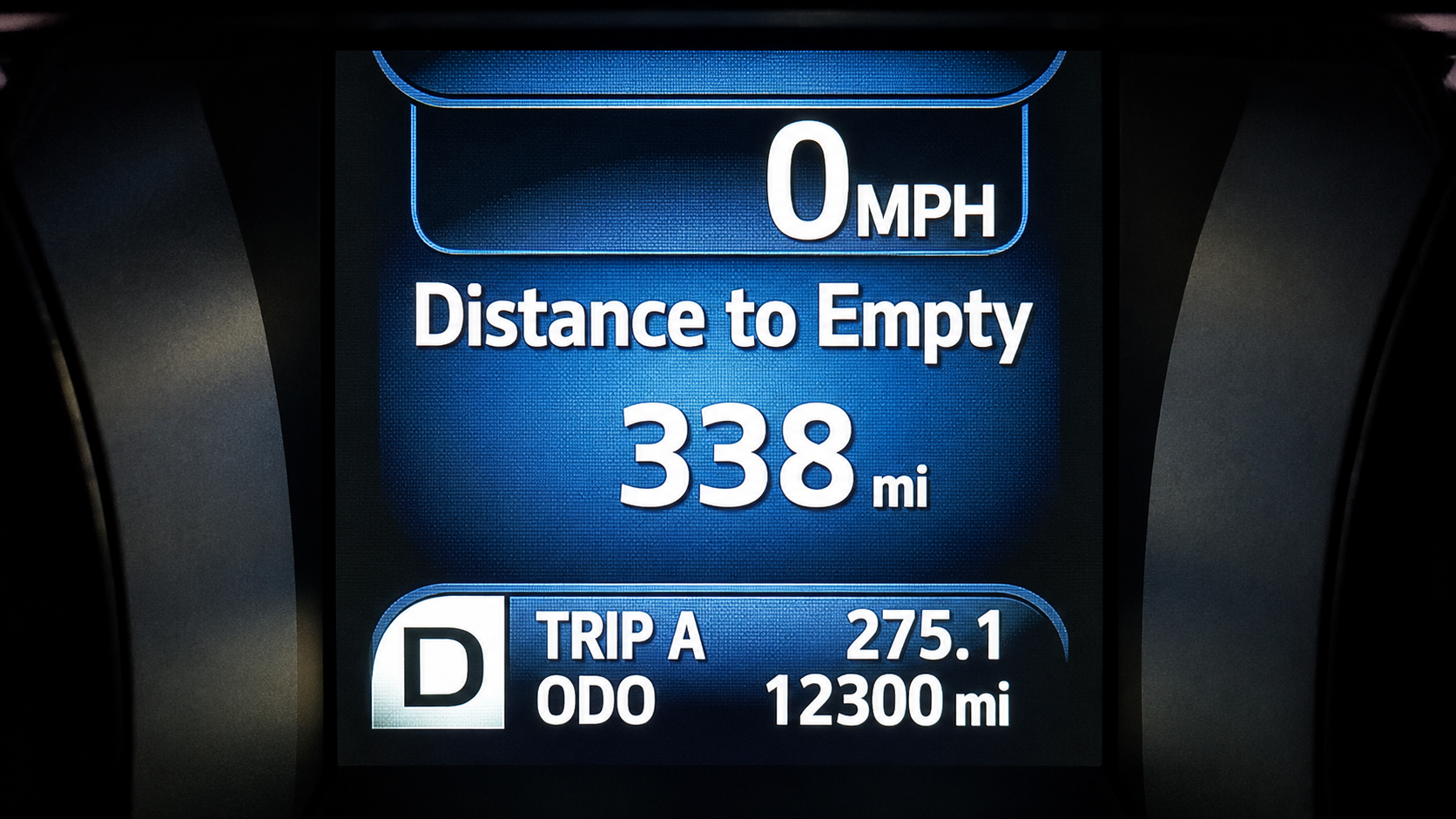
I recently replaced my two-decade-old car. The new car has a surprising array of dashboard features, including a “miles to empty” readout above the fuel gauge. It’s reassuring to know exactly how far I can go before I need gas, and I wish I had a similar screen for myself. How many calls can I return, how many emails can I send, how many articles can I write before I run out of gas?
Unfortunately, we don’t come with a “miles to empty” display. But we do have warning lights. Physically, they show up as headaches, tight shoulders, trouble falling asleep, or catching every cold that circulates through the office. Behaviorally, they look like a short fuse, snapping at small things, forgetting why you walked into a room, or reading the same email three times. If your Sunday evenings are filled with dread, that’s a warning light too.
Longer Hours Decrease Productivity and Are Detrimental to Health
Many of us push through anyway, believing that more hours mean more output. The research says otherwise. In a 2014 study, Stanford economist John Pencavel analyzed production records from factory workers and found that output per hour falls as the workweek grows longer. Output at 70 hours was barely higher than at 56. Past a certain point, extra hours buy mistakes, not progress. Recent research points to the health toll as well: a 2021 WHO and ILO analysis linked working 55 or more hours a week to a higher risk of stroke and heart disease.
Dialing Back Before You Break
The good news is that you can dial back before you break. A few places to start:
- Ask for help. Delegating or sharing a task isn’t a failure. It’s how sustainable teams work. “I can’t take that on this week” is a complete sentence.
- Trim your list. Look at the week ahead and choose one or two commitments to drop, postpone, or hand off. Most will survive without you.
- Make self-care a routine. Treat it like brushing your teeth or taking your vitamins, something you do without negotiating with yourself. Put walks and a real lunch break on your calendar.
- Protect your sleep. It’s the closest thing we have to a refueling station. Most adults need seven or more hours, and no amount of willpower makes up for the shortfall.
A Reminder for Human Resources Professionals
Public-sector human resources professionals are especially prone to running on fumes. Your job is to look after everyone else’s workforce, which makes it easy to neglect your own. Your team, your agency, and the people you serve are better off when you show up rested.
Robert Frost wrote, “I have promises to keep, and miles to go before I sleep.” Those promises are easier to keep when we make one to ourselves too: to check the gauge before our tank runs dry.
___
What’s on your to-do list that could wait until next week? Have helpful hints and tips for how to refuel or recharge? Share them with us by emailing rebecca.sprigg@mynpsj.com